
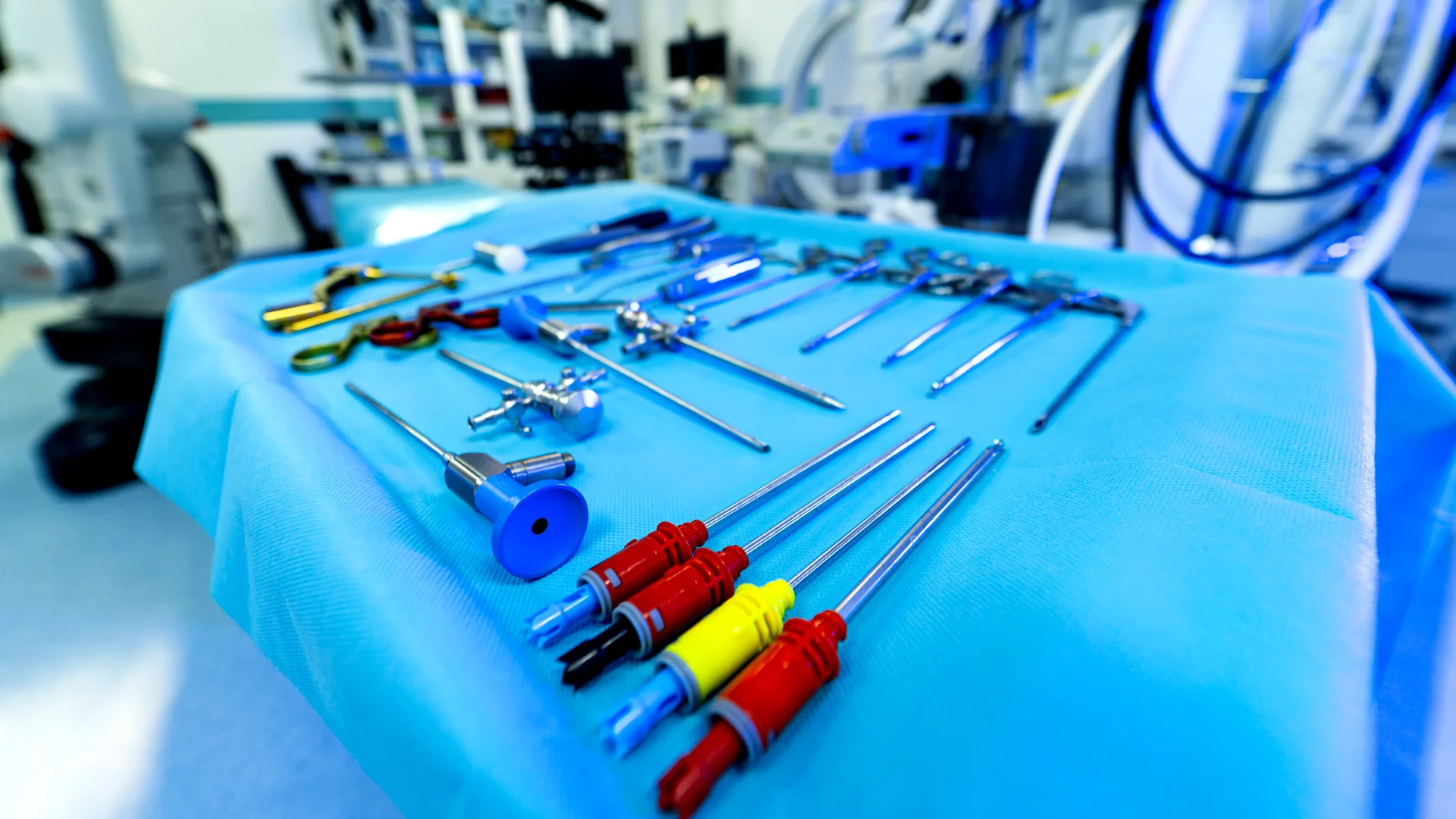
In the current fast-growing healthcare sector, there is an increasing trend of medical treatment being more specialised and patient-centred. Physicians are no longer limited to their competence and expertise alone – modern medical tools have become an equally significant part in making sure that the diagnosis and treatment are accurate. Gynaecology and urology are the two most important medical disciplines that demand very specific and meticulously crafted tools.
Gynaecology is the field concerned with the reproductive health of women, whereas urology is the study of the urinary system and the male reproductive organs. These two fields are delicate to the human body, and therefore the tools employed must be safe, hygienic and very precise.
They might seem straightforward, but these tools are the foundation of numerous life-saving operations. Routine examinations and even complicated surgeries: gynaecology and urology instruments enable the doctor to provide the patient with improved care with minimal discomfort.
We will explore these instruments in this blog in depth and in a manner that is easy to understand: what types of instruments they are, how they are used, in what ways and why they are so vital in modern healthcare.
What are Gynecology and Urology Instruments?
Gynaecology and urology equipment are specialised medical equipment to diagnose, monitor and treat diseases concerning reproductive and urinary systems.
Gynaecological equipment is created with the health of women in mind. They are applied in uterus, ovary, cervix and vagina procedures. Such devices assist physicians in conducting examinations, surgeries, and treatments with precision and sensitivity.
On the other hand, urology instruments apply to both men and women. They pay attention to the urinary tract, such as kidneys, bladder and urethra, and in men, to the prostate gland. These devices assist in the identification of infections, the elimination of obstructions, and surgeries.
The peculiarities of these tools are in the design of instruments; they are aimed to be used in small and fragile spaces and guarantee the highest level of effectiveness and the safety of patients.
Why Are These Instruments So Important?
The role of gynaecology and urology tools cannot be overemphasised. In their absence, most medical procedures would be hard, dangerous or even ineffective to perform.
These tools are useful to physicians in various aspects:
- They enable early diagnosis of the diseases, thus enhancing the success rate of treatment.
- They render surgical procedures more controlled and safe.
- They minimise possibilities of complications in operations.
- They assist in quicker recovery and enhanced comfort of the patient.
Fun Fact: In most diseases, it is possible to raise the survival rates with the help of early detection with the help of special devices!
To put it in simple terms, these tools are not merely instruments but rather life-saving devices that enhance the level of healthcare.
Take a Closer Look at Gynecology Instruments
Gynaecology equipment is common in hospitals, clinics and maternity units. They are accumulated to take care of both simple and complicated operations associated with the health of women.
- Speculum
One of the most frequently used gynaecological instruments is a speculum. It is applied to open the vaginal walls softly in order to allow the doctors to inspect the cervix and the areas around the vagina.
Fun Fact: The shape of the speculum has been refined over the years to be more comfortable to the patients.
- Forceps
Tissues are held or grasped by forceps in the procedures. They are commonly utilised in gynaecology when it comes to childbirth or surgery.
- Curette
A scraper is a minute tool used in scraping tissue, known as a 'curette'. It is usually in such procedures as dilation and curettage (D&C).
- Dilators
The cervix is dilated using dilators to inspect or carry out surgery. They come in various sizes.
- Scissors
The tissues, sutures, or dressings are cut precisely with surgical scissors.
- Retractors
Tissues are held aside with retractors to give the doctor a clear view at the time of surgery.
Uses of Gynecology Instruments
Gynaecology tools are employed in a great number of medical interventions, such as:
- Routine pelvic examinations
- The support of pregnancy and childbirth.
- Hysterectomy of fibroids and cysts.
- Fertility treatments
- Cancer screening and biopsies.
The tools assist doctors in tracking the health of women throughout their lives – during adolescence, pregnancy and beyond.
Fun Fact: With the help of such instruments, serious health problems can be prevented due to regular gynaecological check-ups.
Exploring Urology Instruments
Urology instruments are also crucial and are applied in the diagnosis and treatment of urinary system disorders.
- Cystoscope
A cystoscope is a slender tube that contains a camera applied to the inside of the bladder and urethra.
Fun Fact: Doctors can also make some of their treatments with the help of the cystoscope without any cuts!
- Catheters
Catheters are tubes that are flexible and are applied to drain the bladder of urine. They are usually employed in hospitals for patients who cannot urinate normally.
- Dilators
The urological dilators are applied to bring the urinary tract narrowings to a wider diameter.
- Forceps
Used to store tissues or clear out small objects in the middle of a procedure.
- Scalpels and Scissors
Applied in surgery to cut and excise tissues.
- Stone Retrieval Instruments
Kidney stones are removed with the help of special tools without an open operation.
Urology Instrument Uses
Urology equipment is applicable in different processes, like:
- Kidney stone removal
- Surgery on the bladder and prostate.
- Cure of urinary infections.
- Diagnostic examinations
- Minimally invasive procedures
These tools assist physicians to cure illnesses efficiently and to alleviate patient pain.
Fun Fact: A lot of treatment of kidney stones is nowadays performed without significant surgery!
Fun Fact Zone: Did You Know?
There are medical instruments that are so tiny that they can be contained in a needle!
Contemporary equipment is aimed at pain relief and enhancing comfort.
Surgeries are nowadays done in a few hours due to the sophisticated instruments used.
Technology has minimised the use of big surgical incisions.
Substances of these Instruments
Medical instruments require materials to be of high quality to produce the quality of the instruments.
Common materials include:
Stainless Steel: Powerful, hard and rustless.
Titanium: Lightweight and very strong.
Medical-Grade Plastic: Disposable instruments.
These materials make instruments safe, durable and simple to sterilise.
Significance of Hygiene and Sterilization
One of the most crucial things in the use of medical instruments is sterilisation. Lack of proper cleaning may result in the transmission of infections and severe complications using the instruments.
Ordinary techniques of sterilisation are the following:
- Autoclave sterilisation.
- Chemical disinfection
- UV light sterilization
Fun Fact: Even the smallest bacteria and viruses can be killed by proper sterilisation!
Hygiene is essential as it guarantees patient safety and enhances the success of treatment.
The Right Instruments
The choice of the appropriate instruments plays a crucial role in effective medical procedures. The quality of tools used may result in mistakes, complications, and even abortive treatments.
Doctors and hospitals like instruments that are
- Highly precise
- Durable and long-lasting
- Easy to handle
- Safe and hygienic
It is better to invest in high-quality instruments which guarantee better performance and reliability.
Minimally Invasive Procedures Role
The sphere of modern medicine is moving towards minimally invasive operations, and gynaecology and urology are not exceptions.
These surgeries involve the use of sophisticated tools which only need minor incisions.
Benefits include:
- Reduced pain in patients.
- Faster recovery time
- Minimal scarring
- Shorter hospital stays
Fun Fact: Minimally invasive surgery allows some patients to go home the same day!
How Technology Is Transforming These Instruments
- The world of medicine is being revolutionised by technology, and equipment is improving by the day.
- There is an increment in the robotic-assisted surgeries.
- HD cameras have superior visibility.
- AI is assisting physicians to make superior choices.
- With such developments, surgeries are now more accurate and efficient than ever.
Healthcare Provider Tips
In the case of hospitals and clinics, the selection of the appropriate supplier is crucial.
A major consideration should be:
- Qualified and quality products.
- Large variety of instruments.
- Reliable customer support
- Affordable pricing
- A proper supplier is able to provide uniformity, security, and viability.
Why Quality Instruments Improve Patient Care
Instruments of high quality have a direct effect on patient care. They enhance precision, minimise risks, and guarantee improved results.
Benefits include:
- Safer procedures
- Faster healing
- Reduced complications
- More positive patient experience.
Fun Fact: The slightest advancement in the design of instruments can result in a large change of comfort to the patient!
Conclusion: Precision Tools for Better Healthcare
Modern healthcare cannot be complete without gynaecology and urology equipment. They assist physicians to make proper diagnoses, perform safe operations, and provide proper treatments. From the rudimentary tools of examination to the sophisticated surgical equipment, these tools have revolutionised the manner in which healthcare is provided. They make sure that patients are given quality care at their level of minimum inconvenience.
With the further development of technology, these tools will be improved even more, and medical treatment will be safer, faster, and more efficient. Ultimately, the collaboration of competent physicians and quality equipment results in effective medical success and improved lives.