
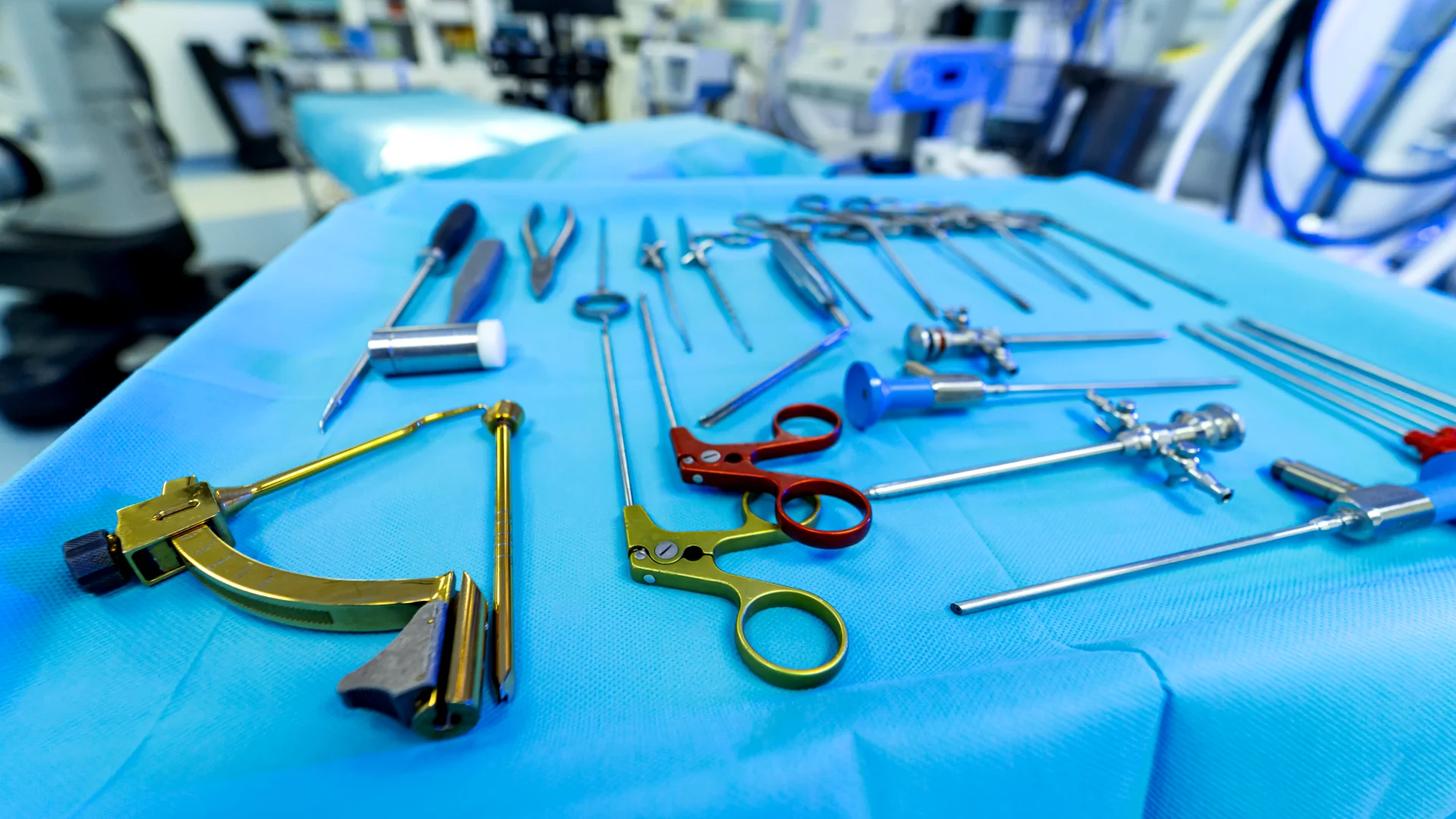
Did you ever wonder what kind of tools doctors use in hospitals to treat patients? Whether it is a basic check-up or a complicated surgery, medical practitioners use an extensive variety of tools in order to carry out their duties effectively. These are not just metal or plastic pieces, but they are well-thought-out gadgets which save lives on a daily basis.
There are hundreds of various medical and surgical instruments in hospitals, all of which can be used for different purposes. There are those that are used in diagnosis and those that are necessary during surgeries. According to beginners or students who are new in the healthcare sector, the first thing they need to learn is to understand these instruments so that they can learn how modern medicine functions.
This guide will discuss the best medical and surgical instruments in hospitals, their applications and their significance. You will also have some fun and interesting facts along the way, making the process of learning even more interesting.
What Are Medical and Surgical Instruments?
Medical devices are instruments that health care practitioners use to treat, monitor, or diagnose patients. Surgical instruments, however, are made in a specially designed manner to conduct operations.
The instruments are crafted using high-quality materials and precision to be safe, hygienic, and effective. They are available in different shapes and sizes, according to their purpose.
Fun Fact: There are even surgical tools crafted in such a way as to be able to execute operations that are smaller than the size of a grain of rice!
Why Are These Instruments So Important?
Surgical and medical tools are very important in the medical field. Without them, doctors could hardly diagnose diseases or carry out surgeries because they could not do it correctly.
They help in:
- Early identification of health issues.
- Carrying out safe and effective surgeries.
- Monitoring patient conditions
- Minimising risks in the treatment.
Fun Fact: According to the modern tools, surgeries were a lot more dangerous and even more time-consuming than they are now.
Basic Diagnostic Instruments: The Doctor’s Everyday Tools
This is the most frequently used equipment in hospitals and clinics.
- Stethoscope
A stethoscope is applied to hear the heartbeats, breathing and other sounds inside the body. It is among the most well-known medical instruments.
Fun Fact: The first stethoscope was made of wood and resembled a mere tube!
- Thermometer
Thermometers monitor the body temperature and are useful in identifying fever or infection.
Fun Fact: Digital thermometers take the result in a few seconds, whereas older thermometers with mercury took a lot longer.
- Blood Pressure Monitor
This device is used to monitor blood pressure and determine heart-related problems.
Fun Fact: High blood pressure is commonly referred to as a 'silent killer' as it does not show any signs.
- Pulse Oximeter
An oxygen level measurement device that is small.
Fun Fact: This device became extremely popular at the time of the COVID-19 pandemic.
Surgical Tools: Lifesaving Instruments
Operating rooms also utilise surgical instruments, which must be highly precise.
- Scalpels
Scalpels are small sharp knives, which are used to cut the body.
Fun Fact: Scalpels used in surgery are sharp to an extent that damage to tissues is minimal.
- Forceps
Tissues during surgery are held or grasped using forceps.
Fun Fact: There are forceps that are made so that they do not damage delicate tissues.
- Surgical Scissors
Tissues, sutures or dressings are cut with these.
Fun Fact: Scissors are available in various varieties depending on the task to be performed like cutting soft tissue or hard material.
- Needle Holders
Needles are held by needle holders when sewing injuries.
Fun Fact: Suturing is a very skilful and precision-based process, like sewing!
- Retractors
Retractors are employed to retract tissues and organs so that surgeons can have a clear view.
Fun Fact: There are retractors that are capable of holding tissues in long surgeries (takes hours).
High-tech Surgical Instruments: Technology in the Operating Room
With the improvement of technology, surgical equipment has improved.
- Laparoscopic Instruments
These instruments are used in minimally invasive surgeries and enable operations to be done with small cuts.
Fun Fact: Laparoscopic surgery is commonly referred to as keyhole surgery due to the small incisions that are made.
- Electrosurgical Devices
These are some tools that cut tissues and control bleeding using electrical energy.
Fun Fact: The instruments will help minimise blood loss during the surgery process.
- Endoscopes
Endoscopes are cameras in tubes in the form of flexible tubes that are used to see internal organs.
Fun Fact: Doctors no longer have to make big cuts in order to see inside the body!
Life-Saving Emergency Instruments
Emergencies demand prompt response and effective equipment.
- Defibrillator
Intended to revive normal heartbeat in case of cardiac arrest.
Void Fun Fact: You may have seen defibrillators in films where the doctor yells clear!
- Ventilator
Assists patients with breathing that they are not capable of doing independently.
Fun Fact: Ventilators played a big role in saving lives during the pandemic.
- Syringes and Needles
Injections, vaccinations, and blood drawing.
Fun Fact: The current-day syringes are made to be almost painless.
Sterilization Equipment: Keeping Everything Safe
Cleanliness is extremely important in hospitals.
Autoclave
An autoclave is used to sterilise instruments using high-pressure steam.
Fun Fact: Sterilisation kills even the tiniest microorganisms that are invisible to the human eye!
Medical Instruments: Materials Used
The high-quality materials used to make medical instruments include:
- Stainless steel (to last long and be strong)
- Plastic (to use in making tools that are disposable)
- Titanium (to be lightweight and corrosion-resistant)
Fun Fact: Stainless steel is usually used since it is not subject to rust and can be easily sterilised.
Maintaining Instruments
Medical instruments need to be properly taken care of regarding safety and performance.
Frequent cleaning and sterilisation.
- Proper storage
- Routine inspection
- Repair of damaged tools.
Fun Fact: An infected instrument can cause grave infections!
Selecting the Right Supplier of Medical Instruments
To provide quality and safety, the hospitals have to select credible suppliers.
Important factors include:
- Qualified and quality products.
- Large variety of instruments.
- Good customer support
- Competitive pricing
Fun Fact: When they are taken care of, good instruments can last years.
The Future of Medical and Surgical Instruments
- Medical instruments are a promising area and are full of innovation.
- Robotic surgeries are increasingly becoming common.
- Accuracy is being enhanced by AI-based tools.
- Intelligent tools are aiding in quicker diagnosis.
- Fun Fact: Robots will help the surgeons make very specific movements!
The Importance of Quality Instruments
Instrument quality is not only performance but also patient safety. Poor-quality tools may cause complications, infections and failed procedures.
Good instruments ensure:
- Better results
- Safer procedures
- Faster recovery
Fun Fact: One little flaw in an implement can have an impact on a whole surgery!
Conclusion: Small Tools, Big Impact
Medical and surgical instruments can be so easy to look at, yet they contribute immensely to saving lives and enhancing healthcare. Starting with the simplest equipment such as stethoscopes up to the sophisticated laparoscopic equipment, they are each relevant in their own way.
These instruments can be understood with assistance, particularly by beginners, students, and anybody with interest in the field of medicine. With the ever-changing technology, these devices will get even better, and healthcare will be safer and more efficient.
Ultimately, proper instruments and the competence of the doctor, rather than only the skill of the doctor, result in successful treatment and care of the patient.